.
A MOMENT IN HISTORY
Founding of Shiromani Akali Dal
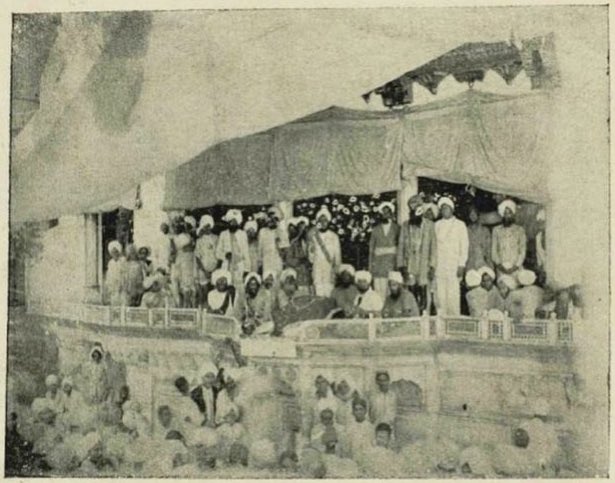
On 14 December, Akali leaders formed a central organisation to coordinate volunteers and the Gurdwara Reform Movement.
 Shiromani Akali DalRaj Nahin Sewa
SHIROMANI AKALI DAL
A reviewed account of the party’s history.
THROUGH THE YEARS
Explore key milestones in chronological order.
A MOMENT IN HISTORY
On 14 December, Akali leaders formed a central organisation to coordinate volunteers and the Gurdwara Reform Movement.
A MOMENT IN HISTORY
Akali reformers faced violence during the campaign to bring Tarn Taran Sahib under representative Sikh management.
A MOMENT IN HISTORY
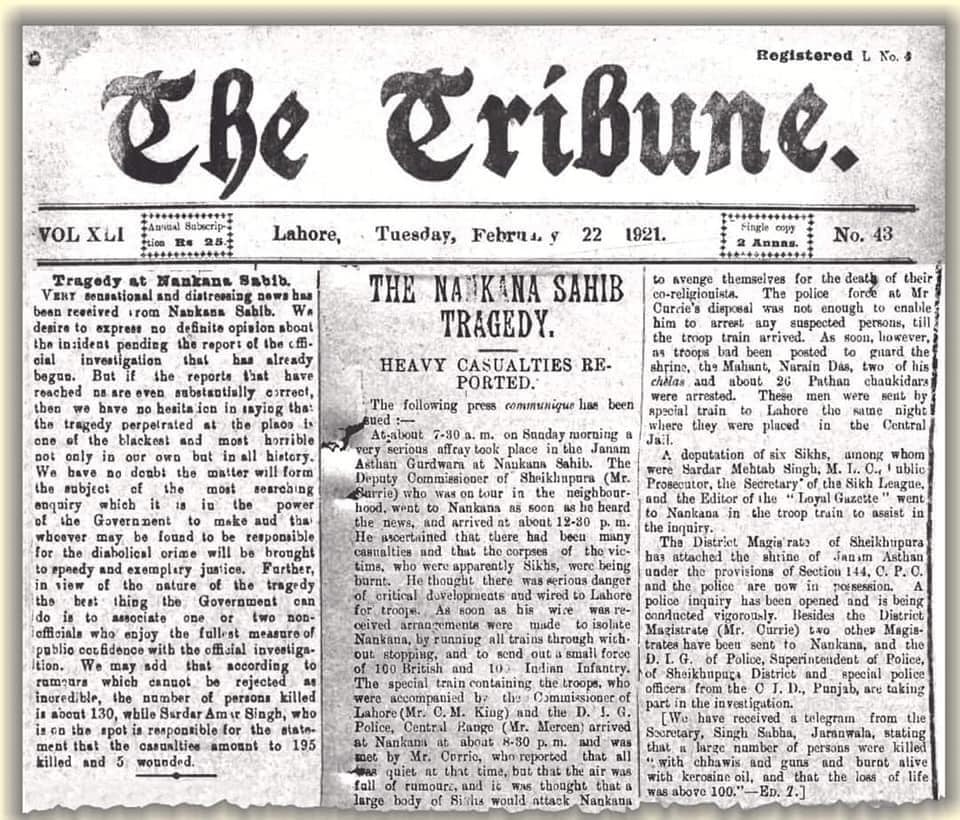
On 20 February, Sikh reformers were killed at Nankana Sahib; the tragedy became a defining moment of the Gurdwara Reform Movement.
A MOMENT IN HISTORY
Sikhs protested the British seizure of the keys to the Golden Temple treasury, turning the issue into a major civil-resistance campaign.
A MOMENT IN HISTORY
The British authorities returned the Golden Temple keys, an early victory for the Akali reformers.
A MOMENT IN HISTORY
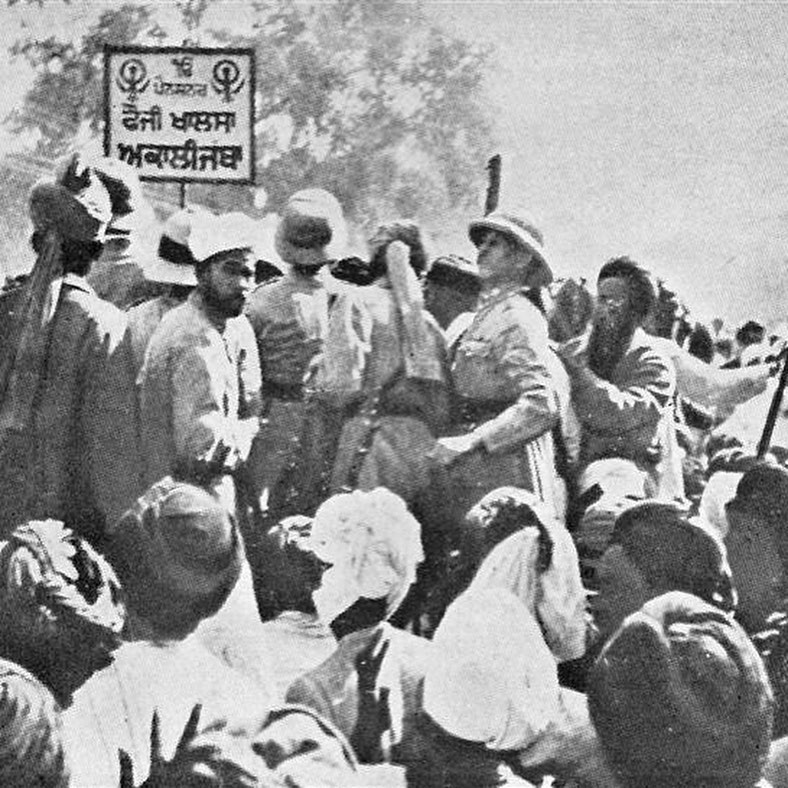
Akali volunteers carried out a non-violent protest over gurdwara land access, enduring mass arrests and police beatings.
A MOMENT IN HISTORY
The Akali movement launched an extended agitation over events in Nabha and disruption of Sikh religious observances at Jaito.
A MOMENT IN HISTORY
The colonial authorities declared the Akali Dal and SGPC unlawful amid the continuing Jaito agitation.
A MOMENT IN HISTORY
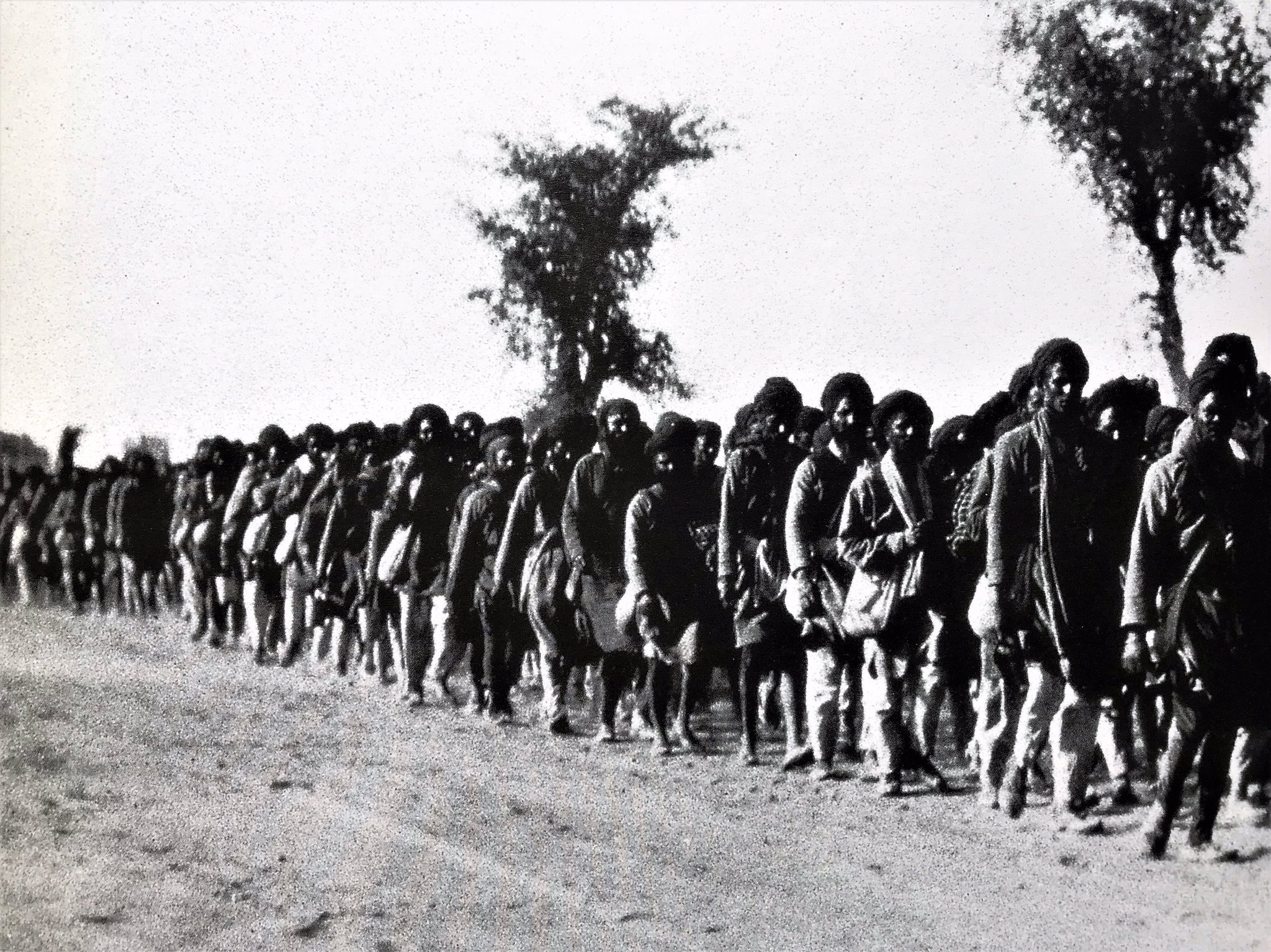
A Sikh volunteer jatha faced firing at Jaito, becoming a landmark episode of sacrifice in the reform campaign.
A MOMENT IN HISTORY
The Sikh Gurdwaras Act created a legal framework for representative management of specified historic Sikh shrines.
A MOMENT IN HISTORY
The Akali Dal contested the provincial elections and emerged as a force in Punjab’s legislative politics.
A MOMENT IN HISTORY
Akali leaders opposed plans to partition Punjab and advocated safeguards for Sikh political and religious interests.
A MOMENT IN HISTORY
The party participated in Punjab’s last provincial election before independence and the negotiations over the province’s future.
A MOMENT IN HISTORY
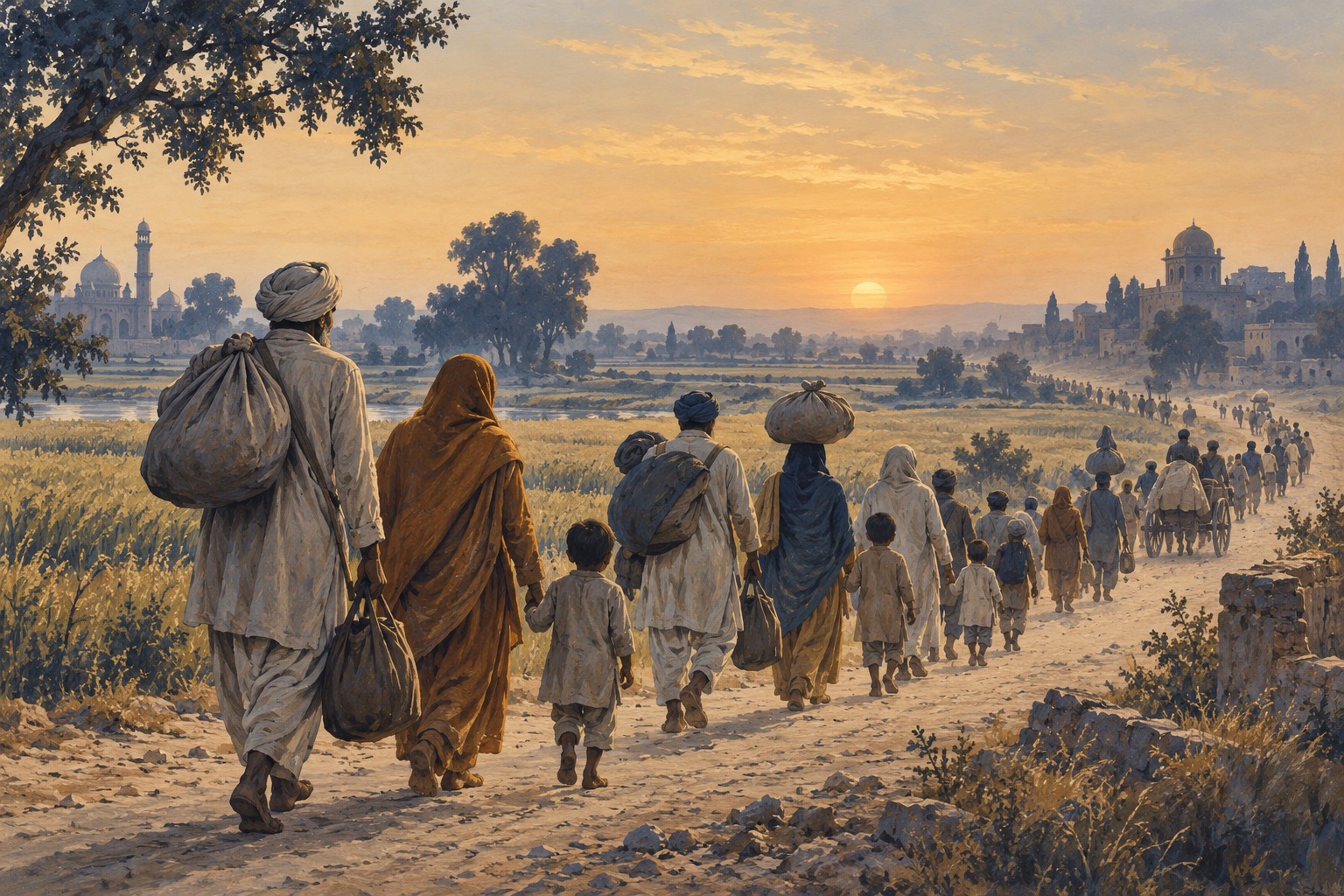
The Partition of Punjab transformed Sikh political life and brought enormous displacement and suffering across the region.
A MOMENT IN HISTORY
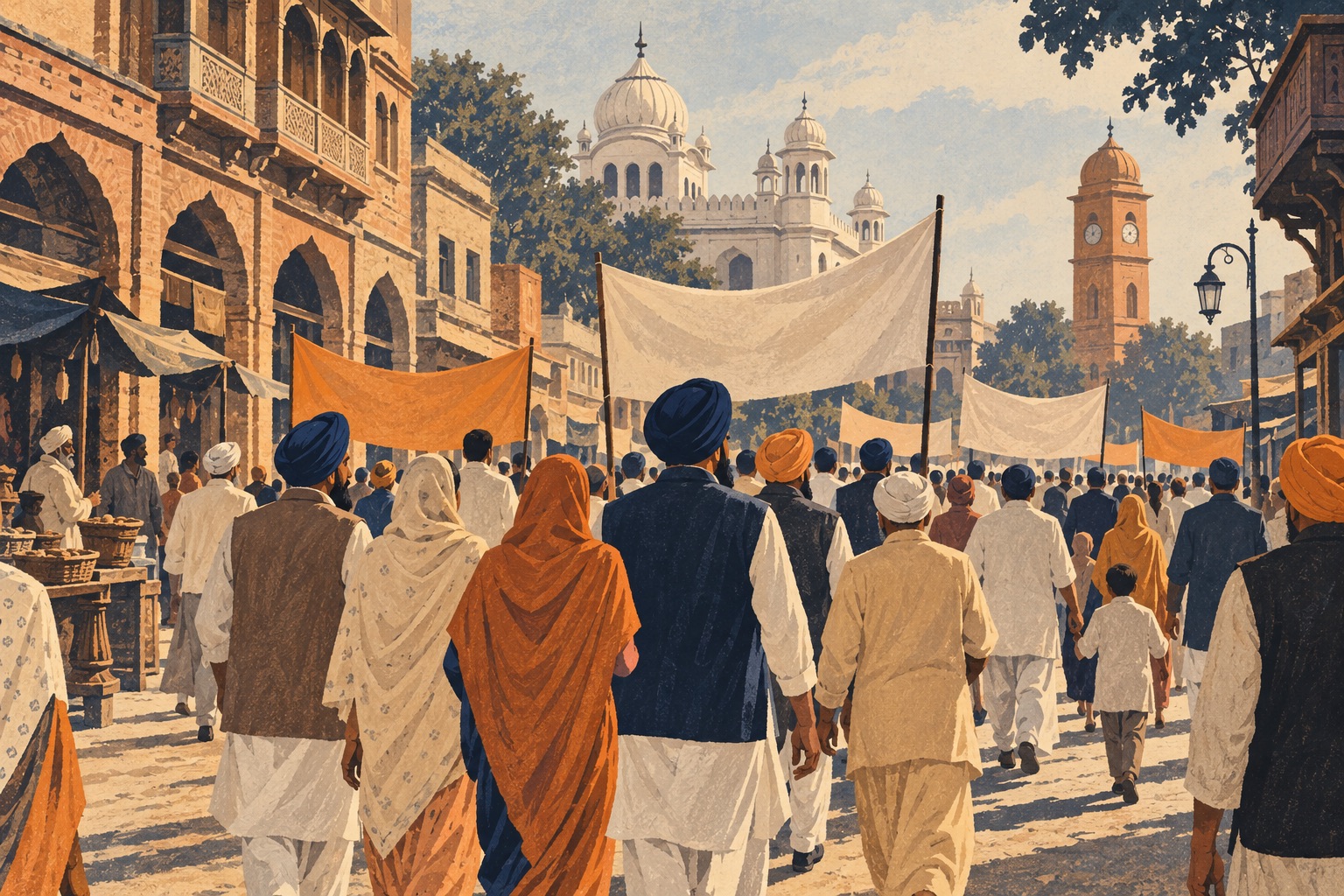
Akali leaders renewed their demand for a Punjabi-speaking state, making language-based reorganisation a central political issue.
A MOMENT IN HISTORY
A major phase of the Punjabi Suba movement unfolded under Akali leadership, including arrests and mass mobilisation.
A MOMENT IN HISTORY
The Punjab Reorganisation Act led to the creation of the present-day Punjabi-speaking state on 1 November.
A MOMENT IN HISTORY
Gurnam Singh headed a coalition government in the newly reorganised Punjab.
A MOMENT IN HISTORY
An Akali-led coalition returned to office under Gurnam Singh following the Assembly elections.
A MOMENT IN HISTORY
Parkash Singh Badal assumed office as Punjab Chief Minister for the first time, beginning a long period of leadership.
A MOMENT IN HISTORY
The Akali Dal working committee adopted a statement of aims at Anandpur Sahib, associated with demands for greater state autonomy.
A MOMENT IN HISTORY
Akali leaders mobilised opposition to the Emergency, with many party activists arrested during the campaign for democratic rights.
A MOMENT IN HISTORY
Parkash Singh Badal became Chief Minister again after the post-Emergency Assembly election.
A MOMENT IN HISTORY
At the Ludhiana Akali conference, the party endorsed a programme emphasising federalism, minority rights and Punjab’s interests.
A MOMENT IN HISTORY
The Akali Dal launched a major agitation to press political, religious and economic demands relating to Punjab.
A MOMENT IN HISTORY
Prime Minister Rajiv Gandhi and Akali leader Harchand Singh Longowal signed an accord intended to address major Punjab disputes.
A MOMENT IN HISTORY
Following the Punjab Assembly elections, an Akali government was formed under Surjit Singh Barnala.
A MOMENT IN HISTORY
The Moga convention articulated a broader, inclusive political identity for the Akali Dal beyond its traditional Panthic base.
A MOMENT IN HISTORY
The SAD–BJP alliance won the Punjab Assembly election; Parkash Singh Badal became Chief Minister.
A MOMENT IN HISTORY
The alliance secured another Assembly victory and Parkash Singh Badal began his fourth term as Chief Minister.
A MOMENT IN HISTORY
Sukhbir Singh Badal assumed the presidency of the Shiromani Akali Dal, marking a generational leadership transition.
A MOMENT IN HISTORY
Sukhbir Singh Badal took office as Deputy Chief Minister of Punjab during the Akali-led administration.
A MOMENT IN HISTORY
The SAD–BJP alliance won re-election, the first incumbent government in modern Punjab to return for a consecutive full term.
A MOMENT IN HISTORY
On 17 September, Harsimrat Kaur Badal resigned from the Union Cabinet in opposition to the central farm bills.
A MOMENT IN HISTORY
On 26 September, the party withdrew from the BJP-led National Democratic Alliance over the contentious farm legislation.
A MOMENT IN HISTORY
The party marked 100 years since its founding in December 1920.
.